
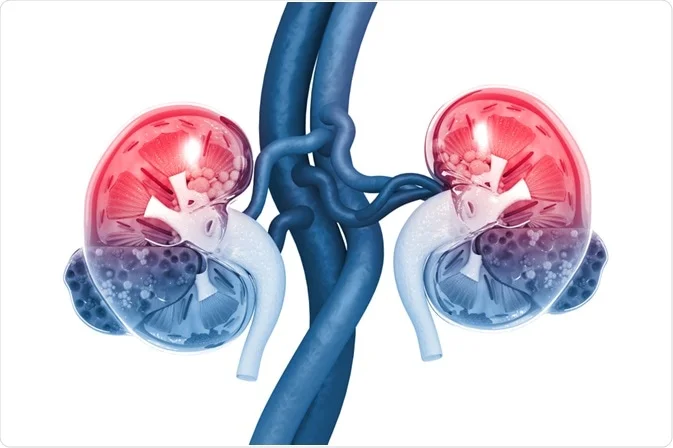
- ADEQUATE ENERGY
- Consume sufficient calories to avoid muscle loss.
- Include foods like rice,oats,chapathi and other cereals in moderate portions to meet energy levels.
- LIMIT SODIUM(SALT)
- Excess salt can cause fluid retention and raise blood pressure.
- Thgerefore,reduce foods that are high in salt,such as pickles,papad,processed foods,packaged snacks etc.
- CONTROLLED PROTEIN INTAKE
- Protein intake may need to be limited in the initial stage and gradually increased during the recovery phase.
- Choose good quality protein sources such as egg whites,lean chicken or fish,milk etc.
- BALANCE POTASSIUM
- When kidney function is reduced,high potassium levels can be dangerous.
- Therefore, foods rich in potassium should be limited,such as tender coconut water,banan,orange,tomato,potato etc.
- MANAGE PHOSPHORUS INTAKE
- If phosphorus levels become elevated,reduce foods that contain high phosphorus like cola beverages,processed cheese,nuts and seeds.
- FLUID MANAGEMENT
- The amount of fluid a person should drink depends on their urine output and kidney condition.
- Consult with your doctor or dietitian for advice for daily fluid allowance.
- Consult with your doctor or dietitian for advice for daily fluid allowance.
RECOMMENDED FOODS
- Soft, cooked white rice is easy to digest and can be included in the diet.
- Lightly boiled vegetables like carrots, beans, and cabbage are healthy choices.
- Fruits such as apple, papaya and pineapple may be taken in moderate amounts.
- Traditional foods like idli and dosa can be taken with less salt.
- FOODS TO AVOID
- Reduce the intake of processed and packaged foods.
- Limit foods with excess salt,including pickles.
- Avoid fast foods that contain high levels of salt and unhealthy fat.
- Stay away from high potassium rich foods.
DIET PLAN SHOULD BE PLANNED AFTER CHECKING THE BLOOD REPORTS AND THE KIDNEY FUNCTION.